Industry news
Aluminum vs Steel Snap Hooks for Safety Harness Manufacturing
Introduction
When selecting components for fall protection systems, choosing between aluminum vs steel snap hooks is a critical decision for safety
harness manufacturers. The right choice impacts not only product performance, but also compliance, user comfort, and overall cost.
For OEM buyers and PPE distributors, understanding the differences between these two materials helps ensure the final product meets both
safety standards and market expectations.
What Is a Snap Hook in Fall Protection?
A snap hook for fall protection is a connector used to link:
Lanyards
Lifelines
Anchors
Safety harness attachment points
It must be self-closing and self-locking, ensuring secure connections under dynamic loads.
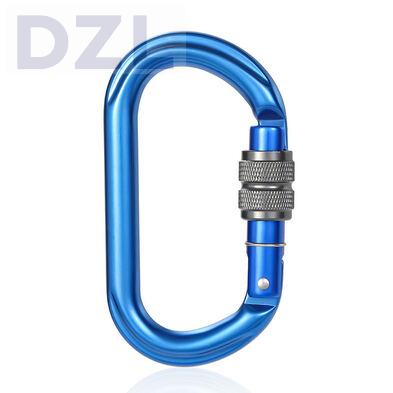
Aluminum Snap Hooks: Lightweight and Efficient
Key Advantages
1. Lightweight Design
Aluminum snap hooks significantly reduce overall harness weight, improving user comfort — especially for long-duration work.
2. Corrosion Resistance
Naturally resistant to rust, making them suitable for outdoor and humid environments.
3. Easy Handling
Lighter weight allows faster operation and reduced worker fatigue.
Limitations
Lower strength compared to steel (typically lower maximum load rating)
More suitable for light to medium-duty applications
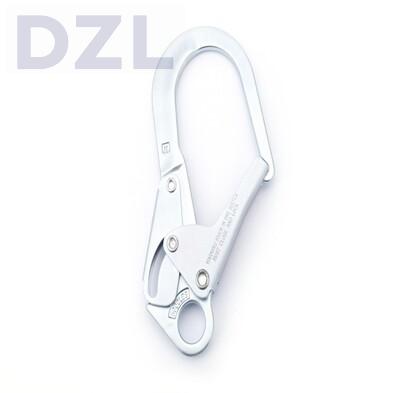
Steel Snap Hooks: Strength and Durability
Key Advantages
1. High Load Capacity
Steel snap hooks commonly meet 45kN strength requirements, making them ideal for heavy-duty industrial use.
2. Superior Durability
Better resistance to deformation under repeated stress.
3. Cost Stability
Generally more cost-effective for large-volume industrial procurement.
Limitations
Heavier weight
Requires surface treatment (zinc plating, coating) to prevent corrosion
Aluminum vs Steel Snap Hooks: Key Comparison
| Feature | Aluminum Snap Hook | Steel Snap Hook |
|---|---|---|
| Weight | Lightweight | Heavy |
| Strength | Medium | High (up to 45kN) |
| Corrosion Resistance | Excellent | Requires coating |
| Durability | Moderate | Excellent |
| Cost | Higher | More economical |
| Application | Light-duty / Climbing | Industrial / fall arrest |
Which Snap Hook Is Better for Your Application?
Choose Aluminum Snap Hooks If:
You prioritize lightweight design
Your product targets comfort-focused users
Applications involve frequent movement or climbing
Choose Steel Snap Hooks If:
You need maximum strength and safety margin
Your customers work in heavy industrial environments
You require long-term durability under load
What B2B Buyers Should Consider
When sourcing snap hooks, professional buyers should evaluate:
✔ Compliance
EN362
ANSI Z359
✔ Locking Mechanism
Double locking
Triple locking (auto-lock)
✔ Gate Opening Size
Standard vs large opening (scaffold use)
✔ OEM Capability
Logo customization
Material options
Surface treatment
Why Work with a Professional Snap Hook Manufacturer?
A reliable supplier ensures:
Consistent load performance
Certified production standards
Stable supply chain
Custom OEM support
DZL SAFETY specializes in manufacturing both aluminum and steel snap hooks for global safety harness brands and
hardware distributors.
Conclusion
There is no one-size-fits-all answer in the aluminum vs steel snap hooks debate. The right choice depends on your application,
target market, and product positioning.
For safety harness manufacturers, balancing weight, strength, and cost is key to building competitive products.
CTA
Looking for a reliable snap hook manufacturer for fall protection?
DZL SAFETY offers both aluminum and steel snap hooks with OEM customization and certified quality.WhatsApp: +86 18003328600
E-mail: sales@fallarresthardware.com
RELATED NEWS
Categories
Latest News
Contact Us
Contact:
Phone: 8618003328600
E-mail: sales@fallarresthardware.com
Whatsapp:8618003328600
Add: Cangzhou city, Hebei Province, China